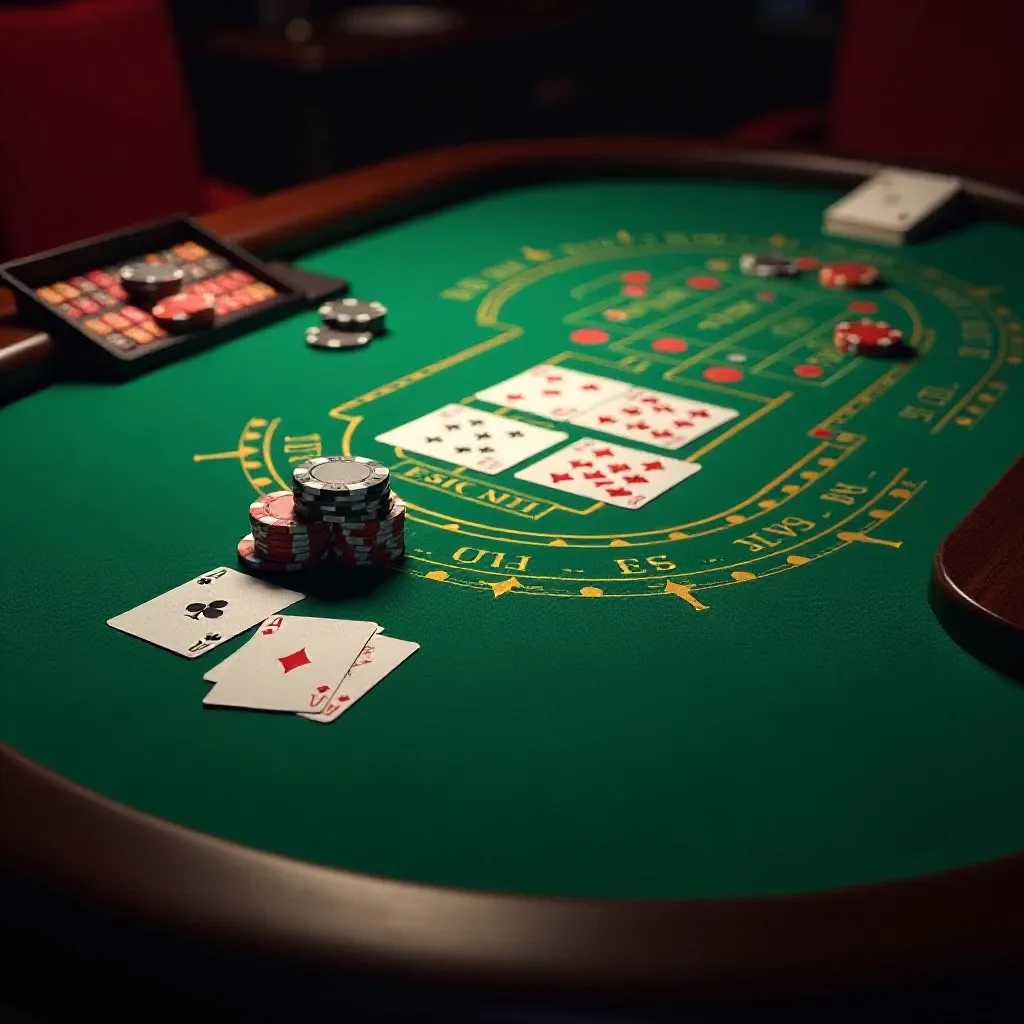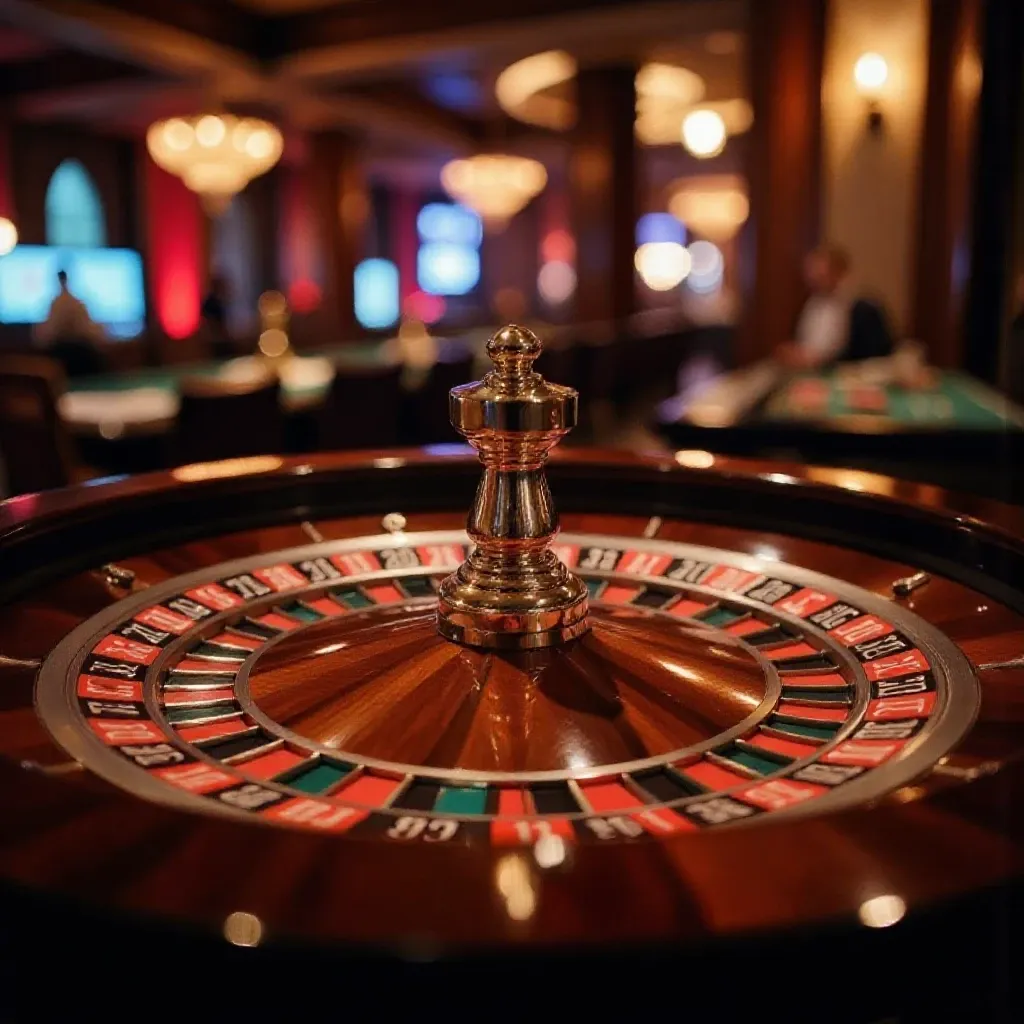
Roulette. The very word conjures images of glamorous casinos, high-stakes bets, and the mesmerizing spin of the wheel. It’s a casino classic that has captivated players for centuries, its enduring appeal rooted in a unique blend of simplicity and complexity. On the surface, it’s a game of pure chance – a ball bouncing on a spinning wheel, destiny determined by where it lands. Yet, beneath that veneer of randomness lies a surprising amount of strategy, from understanding the odds of different bets to employing sophisticated betting systems.
For years, I’ve observed the roulette table, both as a casual player and a keen observer of human behavior. I’ve witnessed the exhilaration of beginners hitting it big on their first spin, and the calculated approach of seasoned gamblers meticulously planning their next move. This isn’t just a game; it’s a microcosm of risk and reward, a social gathering point where fortunes can be made and lost in a matter of seconds.
This article will delve into the heart of Roulette. It will traverse the origins of this iconic game, exploring its rich history and evolution. It will demystify the rules, explaining the various betting options and their respective odds. Also, it will explore some popular strategies, and, finally, it will provide you with practical advice and insights to enhance your Roulette experience.
A Brief History of Roulette
The mesmerizing spin of the roulette wheel, a staple in casinos worldwide, boasts a history as captivating as the game itself. Its origins can be traced back to the 17th century and the mathematical musings of Blaise Pascal.
While attempting to invent a perpetual motion machine, Pascal inadvertently laid the groundwork for roulette. His experiments with a wheel formed the basis for a game that would later become synonymous with chance and fortune. However, it wasn’t a solitary creation, elements of other games of chance were merged to create the game.
Roulette, meaning “little wheel” in French, quickly gained popularity in Paris and throughout France. The game featured both red and black numbers, along with one or two green spaces representing the house advantage. It wasn’t long until roulette made its way across the Atlantic to America, carried by European immigrants seeking new opportunities.
In the New World, the game underwent some transformations. To increase the house edge, a second zero was added to the wheel, creating the American roulette variant. This adaptation, while controversial among purists, helped solidify casinos’ profits and cemented roulette’s place in the burgeoning gambling scene. Riverboat casinos and saloons adopted the game, further spreading its reach.
Over the centuries, roulette has successfully transitioned from opulent European casinos to the digital realm of online gaming. Its enduring appeal lies in its simplicity, the thrill of anticipation, and the potential for a life-changing win. The echoes of Pascal’s experiments and the vibrant gambling halls of the past resonate with every spin, adding to the allure of this iconic casino game.
Roulette Basics: Understanding the Wheel and Table
Roulette, at its core, is a game of chance built upon two primary elements: the roulette wheel and the roulette table. While seemingly simple, understanding the nuances of each is crucial for grasping the game’s mechanics and potential betting strategies.
The roulette wheel is a rotating disc divided into numbered pockets. These pockets are typically numbered from 1 to 36, with alternating red and black colors. Crucially, there is also a green pocket marked with a zero (0). In American roulette, there’s an additional green pocket marked with a double zero (00). The sequence of numbers isn’t random; it’s carefully designed to distribute high and low numbers, as well as odd and even numbers, as evenly as possible around the wheel.
The roulette table mirrors the wheel’s numbers in a grid layout, providing players with a surface to place their bets. This grid displays all the numbers, colored accordingly, along with sections for outside bets. These ‘outside’ bets encompass broader categories such as red or black, odd or even, high or low (1-18 or 19-36), and groups of numbers like dozens or columns.
The zero (and double zero in American roulette) holds significant importance. These pockets give the house its edge. When the ball lands on zero or double zero, most bets are lost, tilting the odds slightly in favor of the casino. Understanding the presence and impact of these zero pockets is fundamental to appreciating the game’s risk-reward dynamic.
Betting Options and Odds
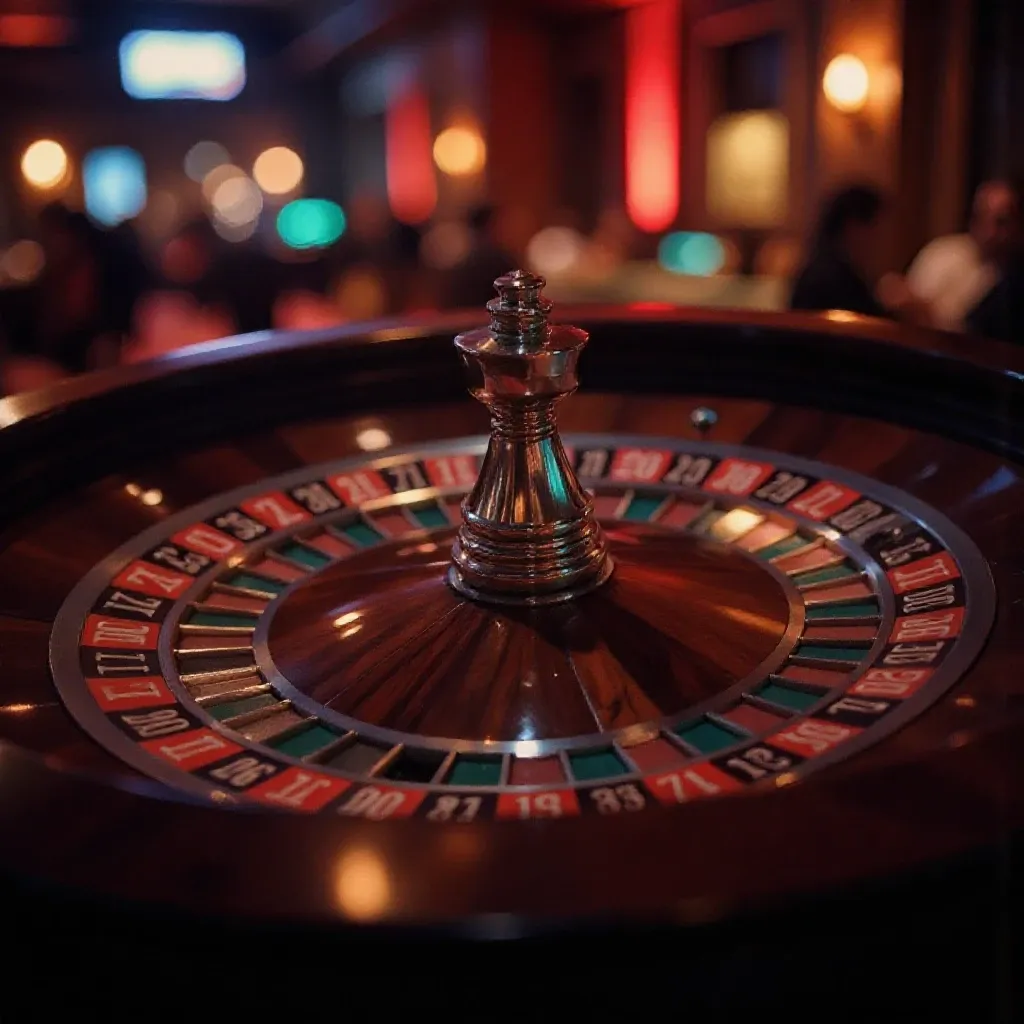
Roulette, at its heart, is a game of chance, but understanding the betting options and associated odds can significantly enhance the player’s experience and potentially influence their strategy. The roulette wheel presents a diverse range of betting opportunities, neatly categorized into inside and outside bets.
Inside Bets: High Risk, High Reward
Inside bets are placed on specific numbers or small groups of numbers on the inner section of the roulette table. These bets offer higher payouts but come with lower probabilities.
- Straight Up: A bet on a single number. This offers the highest payout in roulette, with odds of 35 to 1. For example, a $10 bet on your lucky number could net you $350 if it hits.
- Split Bet: A bet on two adjacent numbers. The payout is 17 to 1. Imagine placing a chip on the line between 10 and 11 – if either number hits, you win.
- Street Bet: A bet on a row of three numbers. The payout is 11 to 1.
- Corner Bet (or Square Bet): A bet on four numbers that form a square. The payout is 8 to 1.
- Line Bet: A bet on six numbers (two adjacent rows). The payout is 5 to 1.
Outside Bets: Lower Risk, Lower Reward
Outside bets are placed on broader categories of numbers on the outer section of the roulette table. These bets have better odds of winning but offer lower payouts.
- Red/Black: A bet on whether the winning number will be red or black. The payout is 1 to 1.
- Odd/Even: A bet on whether the winning number will be odd or even. The payout is 1 to 1.
- High/Low: A bet on whether the winning number will be high (19-36) or low (1-18). The payout is 1 to 1.
- Column Bet: A bet on one of the three columns of numbers. The payout is 2 to 1.
- Dozen Bet: A bet on one of the three dozens (1-12, 13-24, 25-36). The payout is 2 to 1.
Understanding Odds and Payouts
The odds represent the probability of a particular outcome occurring. The payout is the amount you receive for a winning bet. It’s crucial to understand the difference between “true odds” and the house edge. True odds are the actual probability of an event occurring, while the house edge is the casino’s advantage, built into the payouts. For instance, the true odds of hitting a single number on a European roulette wheel (with 37 numbers) are 36 to 1. However, the payout is only 35 to 1. That 1 represents the house edge.
Calculating potential winnings is straightforward. If you place a $5 bet on Red, and red hits, you’ll receive your original $5 bet back, plus an additional $5 in winnings (since the payout is 1 to 1).
Why Roulette Endures: A Combination of Simplicity and Strategy
Roulette’s charm lies in its fascinating blend of simplicity and the tantalizing illusion of control. The game itself is beautifully straightforward: a spinning wheel, a small ball, and a range of betting options. This simplicity makes it instantly accessible to newcomers, offering immediate gratification as they watch the ball dance its way to a potentially winning number. But beneath this veneer of chance lies a strategic depth that draws players back time and again.
A major part of roulette’s allure is the inherent excitement found in gambling psychology—the rush of anticipation as the wheel slows, the collective intake of breath as the ball teeters on the edge of a pocket. This thrill is heightened by the perceived possibilities. Each spin represents a new opportunity, a fresh start filled with hope and expectation. The risk and reward are palpable, fueling the desire to test one’s luck against the odds.
Many players succumb to the temptation of employing betting strategies, seeking to bend the game to their will. The Martingale system, with its promise of recouping losses through doubling down, is a popular, yet risky, approach. The Fibonacci sequence, with its more gradual progression, offers a slightly more conservative path. However, the effectiveness of these strategies is debatable. While they might yield short-term gains, the house edge ultimately prevails in the long run.
Personally, I find roulette more captivating than some other casino games because it offers a more direct connection to the outcome. Unlike poker, where bluffing and player interaction dominate, or blackjack, where strategic card play is key, roulette distills gambling down to its purest form: a test of fate against probability, which never gets old.
Roulette Variations: American, European, and More
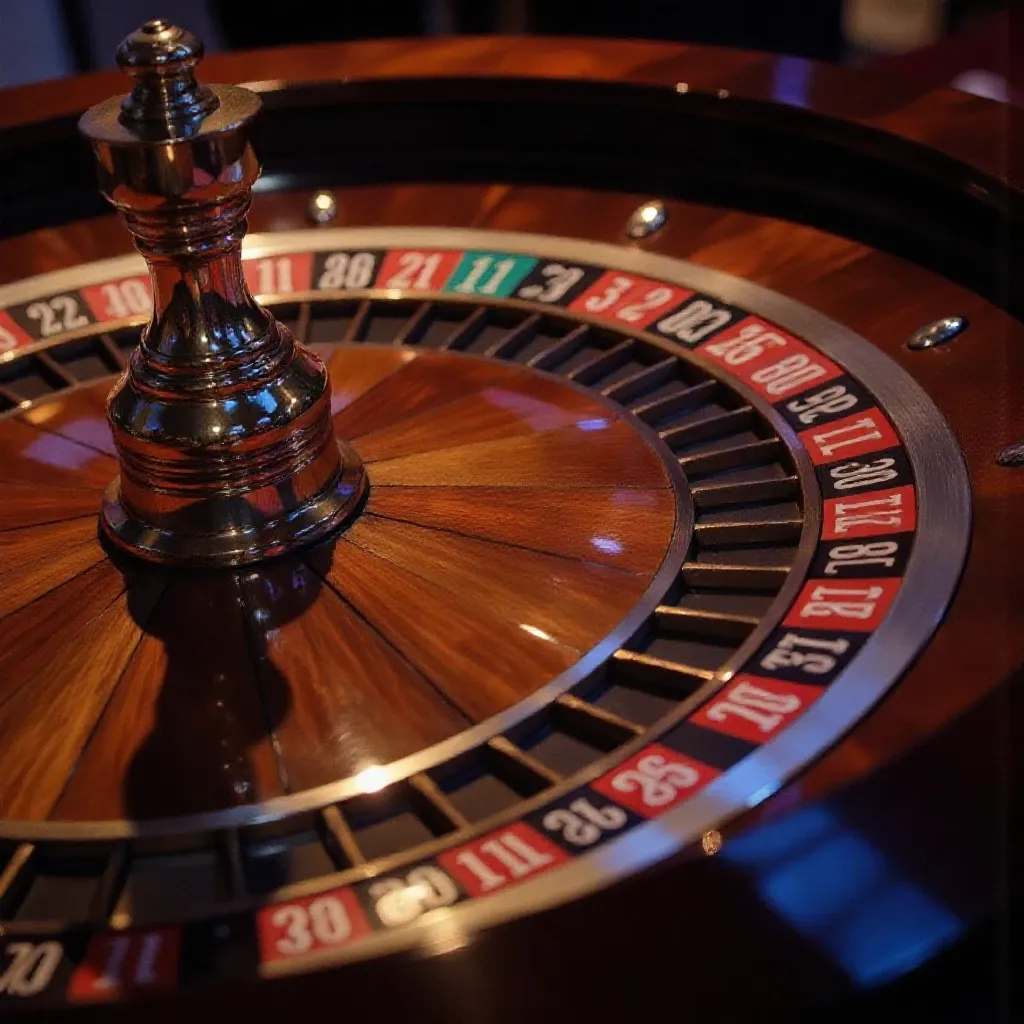
Roulette, a casino staple, offers a thrilling mix of chance and strategy. However, not all roulette wheels are created equal. The subtle differences between variations, most notably American, European, and French roulette, significantly impact your odds of winning. Understanding these nuances is crucial before placing your bets.
American Roulette: The Double Zero Dilemma
American roulette distinguishes itself with the addition of a double zero (00) slot on the wheel, alongside the standard single zero (0). While seemingly minor, this addition drastically alters the house edge, increasing it to approximately 5.26%. This means that for every $100 wagered, the casino expects to retain $5.26 in the long run. The presence of both zero and double zero reduces the odds and your chances of winning for the player compared to other variations. For many players, the higher house edge makes American roulette the least favorable option.
European Roulette: A Single Zero Advantage
European roulette features only a single zero (0) on the wheel. This seemingly small difference dramatically lowers the house edge to around 2.7%. Essentially, you have almost twice the chance for the same bet in comparison with the American version. This makes European roulette a more attractive option for players seeking better odds. The absence of the double zero tilts the favor slightly towards the player. It explains its popularity in casinos worldwide.
French Roulette: Refining the Odds with ‘La Partage’ and ‘En Prison’
French roulette shares the single zero layout with its European counterpart, maintaining the favorable 2.7% house edge. However, French roulette introduces two additional rules that can further benefit astute players: ‘La Partage’ and ‘En Prison’. ‘La Partage’ means “the sharing.” If the ball lands on zero on an outside bet (like red/black, odd/even, or high/low), you receive half of your wager back. ‘En Prison’ (in prison) gives you another chance. If the ball lands on zero on an outside bet, your bet is “imprisoned” for the next spin. If your bet wins on the following spin, you get your original wager back. These rules, when available, can slightly reduce the house edge on outside bets.
Responsible Roulette: Playing Smart and Staying Safe
Roulette, with its spinning wheel and promise of quick wins, can be incredibly alluring. But like any form of gambling, it carries inherent risks. Responsible gambling isn’t about avoiding the game altogether; it’s about understanding the odds, managing your bankroll, and recognizing when to step away. Think of it as enjoying the entertainment without letting it control you.
One of the cornerstones of responsible gambling is setting a budget – and more importantly, sticking to it. Decide beforehand how much you’re comfortable losing, and view that money as the cost of entertainment, not an investment opportunity. Treat it like going to the movies or a concert; once the money’s spent, the show’s over. Never, ever, chase your losses. This is a slippery slope that can quickly lead to financial hardship and a gambling problem. The urge to recoup lost money can override rational thought, leading to bigger and riskier bets.
It’s also crucial to set time limits. The longer you play, the more likely you are to make impulsive decisions. Take frequent breaks, step away from the table, and do something else entirely. This helps you maintain perspective and avoid getting caught up in the excitement of the game. Recognize the signs of problem gambling. Are you gambling more than you can afford? Are you borrowing money to gamble? Are you neglecting responsibilities or relationships because of gambling? If you answer yes to any of these questions, it’s time to seek help. Many resources are available, offering confidential and supportive assistance for problem gambling. Remember, playing roulette should be a source of entertainment, not a source of stress or financial ruin.
Conclusion
Roulette, a casino game that has captivated players for centuries, continues to be a favorite for both experienced gamblers and novices. Its allure lies in the anticipation of the spinning wheel and the possibility of winning big with a single bet. The game’s rules are simple to grasp, which makes it accessible to everyone. However, beneath the surface lies a complex web of betting options and strategies that can take years to master.
Throughout this article, different ways to approach the roulette table have been explored, from understanding the layout and the odds to implementing strategic betting systems. While no strategy can guarantee a win – the house always has an edge – a well-informed approach can enhance your enjoyment and potentially improve your results. The key is to remember that roulette is a game of chance.
Whether you choose to stick to simple bets on colors or numbers, or you prefer to experiment with more complex combinations, the most important thing is to play responsibly. Gambling should always be seen as a form of entertainment, not as a way to make money. Set a budget, stick to it, and never bet more than you can afford to lose.
Roulette is more than just a game, it’s a piece of casino history, a timeless classic that continues to offer excitement and thrills. So, embrace the spin, understand the odds, and remember to play responsibly. With these guidelines in mind, you can fully appreciate the elegance and excitement of this iconic casino game.